Pump stations are critical assets across Australia’s water and wastewater networks. They ensure water moves reliably through supply systems and treatment processes — especially where gravity alone cannot achieve the required flow.
For water authorities, a high-performing pump station directly affects public health, environmental protection, service continuity, and whole-of-life asset performance. Pump station failures can trigger costly rectification works and system interruptions.
At Quality Site Welding (QSW), we support councils, civil contractors and water authorities across Victoria by delivering compliant, reliable mechanical installation of pump stations, pipework and associated infrastructure.
This guide explains what pump stations are, how they work, and why correct mechanical installation is essential for long-term performance.
What Is a Pump Station?
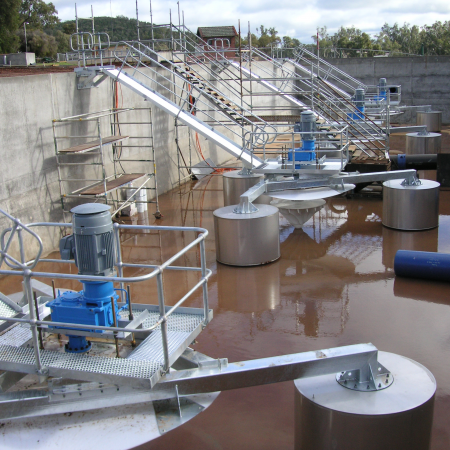
A pump station is a facility designed to transfer water or wastewater from one point to another when natural fall is insufficient. Most modern pump stations include:
- Pumps (submersible, centrifugal, vertical turbine or progressive cavity)
- Pre-fabricated or site-installed manifolds
- Inlet and outlet pipework
- Valves, meters, actuators and isolation hardware
- Electrical and control systems
- Structural supports, access platforms and lifting points
- A wet well or dry well (or both)
Pump stations are used in:
- Water supply and distribution networks
- Wastewater transfer systems
- Stormwater and flood-mitigation assets
- Industrial and commercial facilities
How a Pump Station Works (Step by Step)
- Inflow enters the wet well through gravity pipelines or collection structures.
- Level sensors monitor water height and activate pumps based on setpoints.
- Pumps transfer water through rising mains or distribution pipework.
- Valves, meters and controls regulate pressure, flow and system safety.
- Treated or transferred water moves to storage, treatment facilities or downstream networks.
This simple process relies heavily on mechanical accuracy, proper alignment, correct materials, and compliant installation.
Why Pump Stations Matter for Water Authorities
1. Maintaining Water Supply Reliability
Pump stations regulate pressure and ensure water reaches elevated zones, rural townships and long-distance supply corridors.
2. Preventing Sewer Overflows
In wastewater systems, pump stations prevent surcharging, environmental spills and EPA-reportable incidents.
3. Supporting Treatment Plant Operations
Facilities depend on steady, predictable flow rates. Poor pump station performance disrupts biological processes and plant stability.
4. Handling Peak or Emergency Loads
During storms or inflow surges, pump stations must rapidly increase throughput. Undersized or poorly installed assets increase overflow risks.
5. Reducing Lifecycle Costs
Correct mechanical installation minimises vibration, leakage, pump stress, bearing wear and energy inefficiency.
6. Ensuring Compliance and Safety
Water authorities operate within strict compliance frameworks, including WSAA codes, Australian Standards and internal authority specifications.
Reference: https://www.wsaa.asn.au/
Why Correct Mechanical Installation Matters
Pump stations are unforgiving assets. Incorrect installation leads to long-term performance issues, often becoming visible during high-load events or planned shutdowns.
Common mechanical issues caused by poor installation include:
- Pump misalignment and vibration
- Premature bearing and seal failure
- Leaking flanges and gaskets
- Incorrectly welded pipe joints
- Unsupported loads causing pipework fatigue
- Restricted flow from misaligned valves or spool pieces
- Difficulty isolating equipment for maintenance
- Safety hazards from inadequate access or lifting provisions
Water authorities rely on mechanical contractors who understand how pump stations operate in real conditions, not just how drawings look on paper.
Mechanical Installation Services That Support Pump Stations
Pump station delivery requires integrated fabrication and installation. QSW offers:
- Mild steel, stainless, HDPE and ductile pipework installation
- Pump, valve and manifold installation
- Fabricated brackets, supports and access structures
- On-site welding and repairs
- Hydrostatic testing, QA documentation, ITPs and as-built verification
- Commissioning assistance and site mobilisation
- Mechanical maintenance, shutdowns and upgrades
Real-World Example: Why Installation Quality Matters
On a recent pump station upgrade in regional Victoria, QSW identified misaligned pipe supports that were contributing to vibration and premature wear on a duty pump. Correcting the alignment and replacing deteriorated supports reduced vibration and improved long-term mechanical performance.
Small installation errors become long-term operational problems — which is why authorities prioritise contractors with experience in water-sector mechanical systems.
Where We Work
QSW delivers pump station installation and mechanical upgrades across:
- Melbourne
- Gippsland
- The Latrobe Valley
- Ballarat
- Bendigo
- Regional Victoria
- Interstate capability for major water projects in NSW and South Australia
Frequently Asked Questions
1. What types of pump stations does QSW install?
We install water supply, wastewater, stormwater and industrial pump stations, including upgrades and full mechanical replacements.
2. Do pump stations require specialist mechanical installation?
Yes. Alignment, welding, supports, safety controls and commissioning must meet strict engineering and compliance standards.
3. Can QSW fabricate manifolds and pipework for pump stations?
Yes. Our Gippsland workshop fabricates manifolds, pipe spools, stainless steel assemblies and structural components.
4. What materials are used in pump station pipework?
Common materials include stainless steel, mild steel, HDPE, and ductile iron based on duty, corrosion environment and pressure class.
5. Do you provide testing and ITP documentation?
Yes. We complete hydrostatic testing, QA checks, ITP documentation and as-builts for handover.
6. Can QSW assist with commissioning?
We support commissioning teams with onsite adjustments, verification, and documentation.
7. Do you perform pump station upgrades or replacements?
Yes. We complete valve replacements, pump changeouts, pipework upgrades and mechanical refurbishment.
8. Do you provide shutdown or repair services?
Yes. QSW provides shutdown works, mechanical repairs and refurbishment where required.
9. Do you work alongside civil contractors?
Absolutely. We regularly partner with civil contractors delivering water, wastewater and stormwater infrastructure.
10. Where can I learn more about your mechanical installation services?
Need Pump Station Mechanical Installation or Upgrade Support?
Quality Site Welding delivers compliant, reliable and authority-grade pump station installations across Melbourne, Gippsland and regional Victoria.
- Experienced mechanical trades, welders and fitters
- In-house fabrication of pipework and supports
- ISO-aligned safety, quality and environmental systems
- Fast mobilisation and efficient delivery
- Strong track record in water and wastewater infrastructure
Discuss your upcoming project with our team today.